Staying hydrated is essential for maintaining energy, preventing fatigue, and supporting overall health. Dehydration can occur due to illness, intense exercise, heat exposure, or even daily activities. While hydration drinks like sports beverages or oral rehydration solutions are popular, IV therapy has emerged as a faster, more efficient alternative. Understanding the differences between these two options can help you decide which method is best for rapid recovery and optimal wellness.
Understanding IV Therapy
IV (intravenous) therapy delivers fluids, electrolytes, vitamins, and minerals directly into the bloodstream through a vein. This bypasses the digestive system, allowing nutrients and fluids to be absorbed immediately.
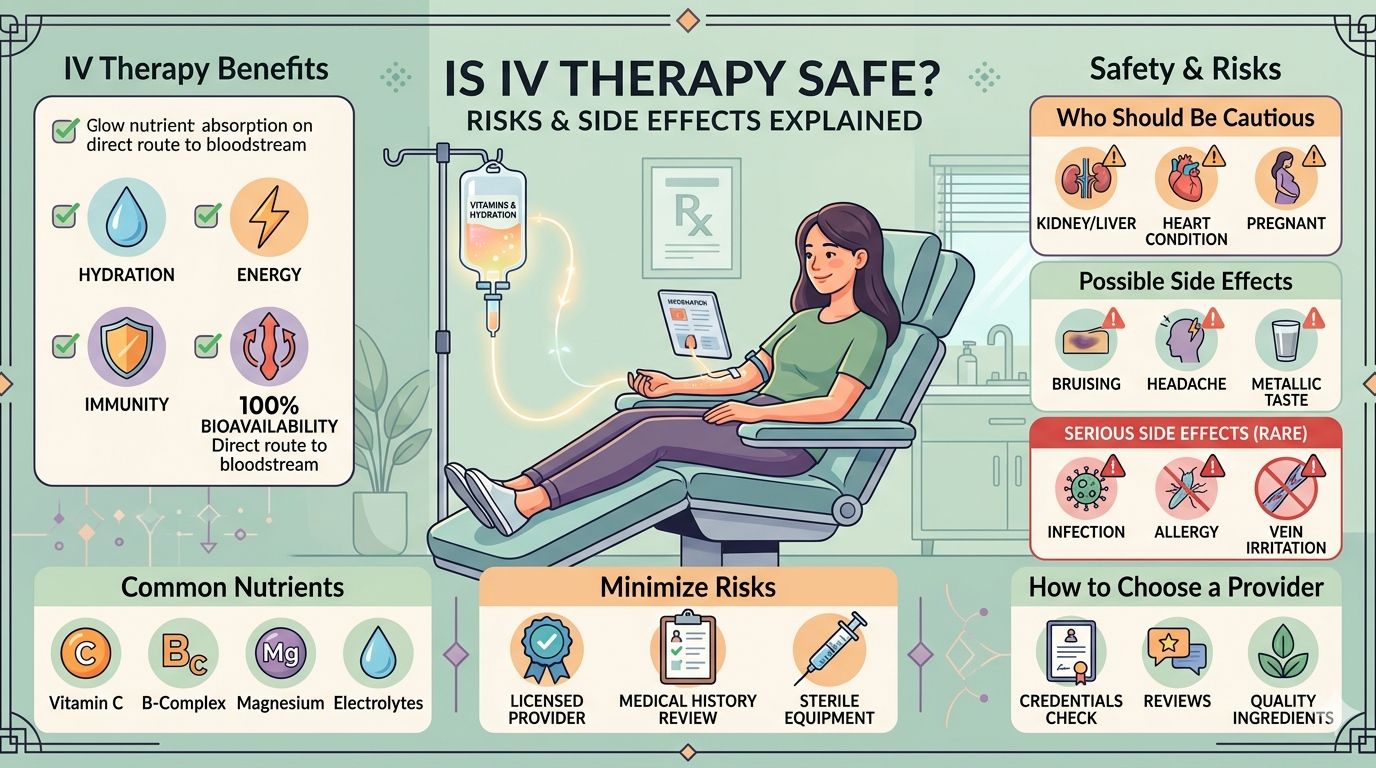
Benefits of IV Therapy
- Immediate rehydration and electrolyte balance
- Rapid energy restoration
- Support for immune function
- Faster recovery from fatigue, illness, or dehydration
- Customizable nutrient blends for overall wellness
Because IV therapy delivers fluids and nutrients directly into the bloodstream, it provides near-instant relief for dehydration and fatigue, making it a preferred choice in situations requiring quick recovery.
Understanding Hydration Drinks
Hydration drinks, including sports drinks and oral rehydration solutions, supply water, electrolytes, and sometimes vitamins through oral intake. They are widely available and convenient, making them a popular choice for mild dehydration and everyday hydration needs.
Benefits of Hydration Drinks
- Replenishes fluids and electrolytes
- Supports energy during exercise
- Easy and convenient to consume
- Variety of flavors and formulations
Hydration drinks are effective for mild dehydration, especially when fluid loss is moderate and the digestive system is functioning normally. However, absorption is slower because the nutrients must pass through the digestive tract before reaching the bloodstream.
Key Differences Between IV Therapy and Hydration Drinks
| Feature | IV Therapy | Hydration Drinks |
| Absorption Speed | Immediate, 100% bioavailability | Slower, depends on digestion and metabolism |
| Hydration | Rapid and comprehensive | Gradual fluid replacement |
| Nutrient Delivery | Can include multiple vitamins, minerals, and electrolytes | Limited vitamins and electrolytes |
| Convenience | Requires professional administration | Can be consumed anytime, anywhere |
| Use Cases | Severe dehydration, fatigue, illness recovery, immune support | Mild dehydration, sports hydration, everyday wellness |
| Effectiveness | Works within minutes | May take 30–60 minutes to feel effect |
| Customization | Fully customizable to individual needs | Standardized formulas, less flexibility |
Understanding these differences helps you choose the best method depending on the severity of dehydration, health goals, and urgency of recovery.
When IV Therapy Works Best
IV therapy is ideal when rapid rehydration and nutrient replenishment are needed, such as:
- Severe dehydration from illness or food poisoning
- After intense exercise or athletic events
- Recovery from hangovers or jet lag
- Boosting immunity and energy during fatigue
- Supporting overall wellness and nutrient deficiencies
IV therapy not only restores fluids but also delivers essential electrolytes and vitamins, addressing multiple factors contributing to fatigue and dehydration simultaneously.
When Hydration Drinks Are Enough
Hydration drinks are sufficient for mild dehydration or when immediate recovery is not critical. Typical scenarios include:
- Light exercise or moderate sweating
- Daily fluid replacement
- Mild fatigue due to heat or minor exertion
- Situations where convenience is a priority
While hydration drinks are accessible and easy to use, their effectiveness is limited in cases of severe dehydration or when the body requires rapid nutrient absorption.
Safety Considerations
IV therapy is safe when administered by licensed healthcare professionals. Side effects are minimal and may include slight discomfort at the insertion site. Hydration drinks are generally safe for most individuals, though excessive consumption may contribute to sugar intake or electrolyte imbalance in certain cases.
Making the Right Choice
Choosing between IV therapy and hydration drinks depends on your needs. If rapid recovery, replenishment, and energy restoration are your goals, IV therapy is the faster and more effective option. For mild, everyday hydration needs or when convenience is a priority, hydration drinks are sufficient.
Conclusion
Both IV therapy and hydration drinks help restore fluids and electrolytes, but IV therapy works faster and provides immediate nutrient absorption. For those experiencing severe dehydration, fatigue, or in need of quick recovery, IV therapy offers the most efficient solution. Hydration drinks remain valuable for mild fluid loss and everyday hydration. Understanding your condition and goals ensures you choose the method that best supports your wellness.
Recover faster and rehydrate effectively with IV therapy today
FAQs
Q1. Which works faster: IV therapy or hydration drinks?
Ans. IV therapy works faster due to direct delivery into the bloodstream.
Q2. Can hydration drinks fully replace IV therapy?
Ans. They help with mild dehydration but are slower and less comprehensive.
Q3. What nutrients are included in IV therapy?
Ans. Fluids, electrolytes, vitamins, and sometimes minerals or amino acids.
Q4. How quickly can IV therapy relieve fatigue?
Ans. Many patients feel improvement within minutes of the session.
Q5. Are hydration drinks safe for daily use?
Ans. Yes, they are generally safe for mild fluid and electrolyte replacement.
Q6. Can IV therapy be used for athletic recovery?
Ans. Yes, it restores hydration and nutrients efficiently post-exercise.
Q7. How long does an IV therapy session take?
Ans. Typically 30–60 minutes depending on the nutrient blend.
Q8. Do hydration drinks help with hangovers?
Ans. They can help mild dehydration, but IV therapy works faster.
Q9. Are there side effects to IV therapy?
Ans. Minor soreness at the insertion site may occur; serious side effects are rare.
Q10. Which is better for overall rapid recovery?
Ans. IV therapy provides faster and more complete rehydration and nutrient support.